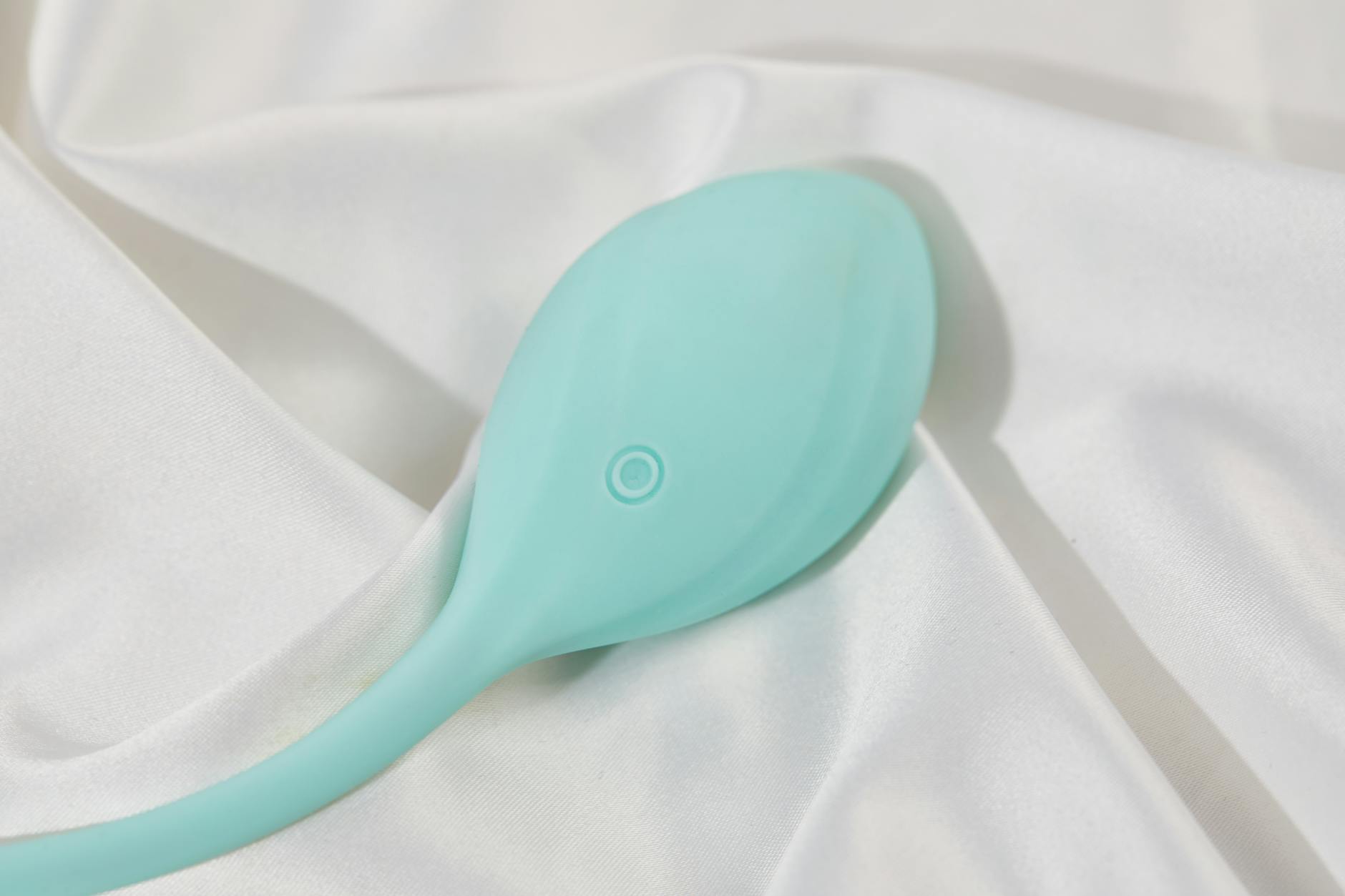
The mismatch nobody talks about
Here's the thing: one of you is ready in 10 minutes. The other needs 20 or 30. Neither of you is wrong. Neither of you is broken. But the tension between those two speeds can quietly erode the pleasure both of you deserve.
Most couples try to ignore this. One person suppresses their natural response, the other feels rushed, and then everyone's frustrated. A lemon clitoral vibrator changes that equation because it gives you a shared focus object. Instead of negotiating paces, you're both experiencing something together. The rhythm of the vibrator becomes the conversation.
Why a lemon vibrator works when arousal timelines don't match
Traditional vibrators are about intensity. You dial it up, and either it works for you right now or it doesn't. A lemon sexual toy works differently. The suction-based stimulation on the clitoris doesn't demand an audience. You can use it while your partner is still warming up, and it doesn't create the "are you going to finish soon" vibe that makes everything tense.
There's also something psychologically useful here. When a partner watches you enjoy yourself with a clitoral vibrator, arousal often follows. It's not about performance or proving anything. It's witnessing pleasure, which is genuinely erotic for most people.
The other practical truth: a lem vibrator feels good at any arousal level. Unlike penetration or many hand techniques, you don't need to be at peak readiness for it to work. This means the slower-to-warm-up partner can participate in pleasure without the pressure of being "ready enough."
The setup: before you start
Have a conversation that doesn't happen in bed. I know that sounds clinical, but it matters. Talk about what "slower entry" actually means for your partner. Do they need:
- Time with touch and kissing before anything else happens
- Foreplay that's purely non-genital at first
- Mental transition time (they're coming from work stress, kids, something heavy)
- Reassurance that there's zero pressure to perform
- Specific kinds of touch that help them shift gears
Once you know what warming up actually requires, you can plan around it. This isn't unsexy. It's the opposite. People who feel understood and accommodated are more present, more relaxed, and more able to access pleasure.
Then decide together: do you want the vibrator as a warmup tool, or as something you both experience at peak pleasure, or as a way to stay connected when arousal timelines diverge? Different couples answer this differently. The answer shapes how you'll use it.
Using a lemon vibrator during the slower warm-up phase
If your partner needs more time before any genital touch, the lemon clitoral vibrator can be part of your foreplay without rushing things. You're using it on yourself while your partner touches you elsewhere. Your hand, their mouth, their body. The vibrator doesn't replace that connection; it enhances it.
Start at a lower pattern (1 or 2 on most lemon adult toys). This keeps stimulation pleasant but not overwhelming. Your partner is still fully present in the experience. They see what makes you respond. They participate in your pleasure.
Keep talking. "This feels good right now" or "I like this better" aren't mood kills. They're maps. Your partner learns your language. You learn theirs.
When arousal timelines finally sync
Most couples reach a point where both people are genuinely aroused and ready. This is where a lem vibrator becomes pure shared pleasure.
If penetration is in your plan, you can use the vibrator during it. Many people with clitorises find that clitoral stimulation during penetration completely changes the experience. Your partner feels connected to your pleasure because they can see and hear your response to the vibration.
If penetration isn't part of your plan, the vibrator becomes the main event. This is fine. Many couples find this more reliable than relying on one person to be the main source of stimulation. The vibrator does its job. Both of you get to pay attention to each other.
The rhythm question: do you set the pace or does your partner
This is where intentionality matters. Some couples prefer the person with the vulva to control the vibrator. You adjust speed, pattern, and pressure based on what feels best. Your partner is responsive, watching, present.
Other couples prefer the partner to control it. This creates a different dynamic. You're not in charge of your own pace. That can feel either freeing or stressful depending on trust and communication. Know which version you want before you start.
There's also a third option: no one controls it. You're both focusing on the sensations and each other's responses, and the vibrator is just running. This works well when you've both agreed on a pattern and you're moving together.
The key: decide this beforehand. Don't figure it out mid-experience. That's when resentment sneaks in.
Handling the "I'm done but you're not" moment
Honestly? This still happens. One person reaches orgasm. The other is still building. Most couples panic here because they've been socialized to think simultaneous orgasm is the goal. It's not. Not even close.
If you come first and your partner is still going, your job is simple: stay present. Keep touching them. Keep talking. The vibrator keeps doing its thing. Your arousal dropping doesn't mean you leave the experience. You're still there, still connected.
If your partner comes first, same deal. Don't vanish. Many people want touch and closeness after orgasm, not abandonment. And many people, especially those with slower arousal, can keep going after a partner has finished. The vibrator is still there. You're still there.
This is actually where couples often find the most relaxation. The pressure breaks. There's no goal anymore. Just pleasure.
Managing shame and self-consciousness
Some partners feel awkward watching you use a lemon sexual toy. This is worth addressing directly. "I feel weird watching" is valid. So is "I actually love it." Both deserve acknowledgment.
For partners who feel awkward: watch one time without judgment. Notice what you actually feel. Many people find that witnessing pleasure is far less awkward than they imagined. It's actually connecting.
For the person using the vibrator: your pleasure matters. If shame is creeping in, that's worth exploring, maybe with a therapist. But in the moment, remember this. Your partner chose to be here. They're choosing to watch. They're choosing you.
Photo by cottonbro studio on Pexels
Practical logistics that actually matter
Battery level. Check it before you start. Nothing kills connection like a vibrator dying mid-pleasure.
Cleanliness. Clean the vibrator before use if it's been sitting around. A quick rinse with water works fine.
Lube. If you're using a water-based lubricant, apply a bit before you start. The suction mechanism on a lemon clitoral vibrator works better with a little glide.
Position. Not all positions work equally well for both partners to stay connected while using a vibrator. Spooning works. Face-to-face works. Being fully on top of someone while they're using a vibrator doesn't. Figure out what actually allows you both to stay present and touch each other.
Conversation during. "Does this feel good?" "Should I try a different pattern?" "Are you still enjoying this?" These check-ins aren't interruptions. They're connection.
When it's not working
If you're using a lemon sexual toy together and it's creating weird tension instead of relieving it, pause. Don't just push through. Ask: is the vibrator the issue, or is something else going on in the relationship?
Sometimes the real friction is unrelated to pleasure. One person feels unseen. One person is resentful about other things. The vibrator just surfaces that. In that case, the vibrator isn't the problem. It's a messenger.
If it's genuinely about the vibrator or the experience, you have options. A different pattern might work better. A different role might feel less weird. Different timing entirely might be the answer. But the goal is always: both people getting pleasure, both people feeling connected.
The bigger picture
Using a lemon clitoral vibrator with a partner whose arousal timeline is different is less about the device and more about what it represents. It's a commitment to making space for both of your bodies. It's refusing the lie that one person's pace is normal and the other's is broken.
When you stop fighting arousal timelines and start working with them, sex becomes less about performance and more about presence. That's where the real pleasure lives.
People also ask
Can you use a lemon vibrator if you have penetrative sex regularly
Completely. In fact, many couples find that adding clitoral stimulation during penetration creates a totally different experience. Some people with clitorises don't have orgasms from penetration alone. Adding a vibrator changes that. It also keeps your focus on pleasure instead of performance, which matters when arousal timelines are different.
What if my partner feels intimidated by the vibrator
This is common and worth taking seriously. Talk about what specifically feels intimidating. Is it that the vibrator is more intense than their touch? Is it worry about being replaced? Is it discomfort with sex toys in general? Once you know, you can address it. Many partners feel less intimidated once they watch it in action and realize it's just a tool, not a threat. Others need time. Some find that using it together, with both of you controlling it or both of you experiencing it, feels less threatening than one person using it alone.
How do you communicate during sex about pace without killing the mood
Keep it simple. "Slower" or "faster" works. "I'm still building" works. "I love this" works. Avoid long explanations or criticism. "I need more time" is way better than "You always rush." Short words, genuine tone, no shame. Most couples find this actually increases connection because finally you're being honest about what you need.
If you reach orgasm first with the vibrator, should you stop using it
Not necessarily. Some people can use a vibrator after orgasm. Some can't. You'll know. If you can keep going, great. If you need to pause, that's fine too. The point is your partner is still there, still present, still building toward their own pleasure. You're not abandoning them. You're just shifting from active to present.
Does using a lemon clitoral vibrator regularly make partnered sex feel less satisfying
Not for most people. If anything, it often increases satisfaction because you're finally getting clitoral stimulation consistently. What sometimes happens is that you realize you need clitoral stimulation for satisfaction, and solo vibrator use helps you figure that out. That's useful information that actually improves partnered sex once you communicate it.
Is it normal to feel awkward the first time you use a toy with a partner
Yes. Very normal. Most couples feel awkward the first time. By the third or fourth time, it's just part of your toolkit. The awkwardness usually fades once you realize your partner isn't judging you and you're not judging yourself. If awkwardness persists beyond that, there might be deeper relationship stuff worth exploring with a couples therapist.
Next steps
If you and your partner are navigating different arousal timelines, a lemon vibrator can be a real tool for alignment. But the vibrator works best when communication is there first.
Have the conversation when you're not in bed. Be honest about what you each need. Then try it and adjust as you go. Pleasure isn't about following a script. It's about paying attention to each other and making space for both of your bodies.
If you want more specific guidance on communication or navigating relationship dynamics around intimacy, reach out to Hello Nancy. We're here to help couples build the kind of connection where pleasure actually flows.