
Let's talk about pressure problems
One partner wants the lemon vibrator on setting 5, pressed firmly against their clitoris. The other partner wants it on setting 2, barely making contact. This isn't a small incompatibility. Pressure sensitivity during partnered sex is one of the most common friction points couples don't talk about, so they end up compromising in ways that leave someone unsatisfied.
Here's what actually happens: one person holds back their preference to avoid "too much" sensation, or the other grits their teeth through discomfort because they don't want to seem difficult. Both lose. The good news is that a lemon vibrator, with its air-suction technology, is specifically designed to handle this dynamic better than bullet vibrators or traditional wands.
Why pressure preferences diverge
Pressure sensitivity isn't about how much someone likes pleasure. It's about nerve density, tissue thickness, and how the nervous system interprets stimulation. Three main factors shift this:
1. Clitoral anatomy varies widely. Some people have deeper clitorises or thicker tissue over the glans, which requires firmer pressure to feel anything. Others have exposed glans that's so sensitive that even light touch can feel painful. This isn't about arousal level; it's wiring.
2. Arousal state changes pressure needs. Early arousal often benefits from light, teasing pressure. Deep arousal can want serious intensity. If partners are at different arousal stages when they start using the lemon vibrator together, pressure expectations won't align.
3. Medication and hormone fluctuations matter. Antidepressants, hormonal shifts, and even caffeine affect how sensitive the vulva feels. One partner might be on a medication that dulls sensation, while the other's hormones are making them extra responsive. That's not a values problem; it's a biochemistry problem.
How the lemon vibrator's design solves this
Unlike traditional vibrators that rely purely on frequency, lemon clitoral vibrators use suction technology. That matters because suction stimulates differently than direct vibration. You can control pressure in multiple ways:
Adjust the seal. The stronger the seal between the toy and skin, the more intense the suction. A light seal feels like a gentle tug. A full seal feels like concentrated pulling. Neither partner has to move to a different toy; you're just adjusting contact.
Layer the settings strategically. A lemon vibrator usually has 7-10 intensity levels. The lower settings aren't "warm-up" settings for most people. Setting 2 or 3 can be the sweet spot for someone with high sensitivity. Setting 6-8 works for someone who needs firmer pressure. You're not alternating between "pleasure" and "just trying to feel something." You're finding the actual intensity that works for each body.
Control depth of insertion and angle. If you're using the lemon vibrator during partnered sex, the angle and how deeply it presses against the clitoris changes sensation dramatically. A partner can guide it to their preferred pressure without switching devices.
The real conversation you need to have first
Before you even turn on the lemon vibrator, name the problem. Not as criticism, but as information. Say something like: "I noticed we might prefer different intensities. Can we talk about what actually feels good for each of us?" Then listen to the answer without defending yourself.
What you're listening for:
- Does your partner feel pain at higher pressures, or just preference?
- Do they feel numb at lower pressures, or do they genuinely enjoy gentler stimulation?
- Has their pressure preference changed over time, or is it always been this way?
- Are there medical reasons (pelvic floor tension, nerve issues, medication side effects)?
These answers determine whether you're compromising on pleasure or accommodating a genuine physical need. If someone has pelvic floor dysfunction, for instance, heavy pressure can trigger pain or spasm. That's not a preference; that's a boundary you need to respect.
Practical techniques for shared use
Take turns being in control. One partner holds the lemon vibrator while the other receives. This removes the pressure (literally) of trying to guess what's right. The receiving partner can say "lighter," "more pressure," or "lower" in real time. After orgasm or a set time, you switch. This builds communication and removes the "I have to be accommodating" dynamic.
Use the settings as your common language. Agree beforehand: "Setting 3 is my low, setting 7 is my high." Then you both know what you're working with. If you're switching between penetrative sex and external stimulation, you might drop down a setting because the angle changes sensation. This removes the guesswork.
Let pressure be separate from desire. "I want more pressure" doesn't mean "I want you more." Sometimes the easiest way to make this clear is to frame it as a logistics thing: "My sensitivity is different today, so I need setting 5 to feel it." Not "you're not enough." Just, "my body's needs have shifted."
When one partner has significantly higher pressure needs: suggest they use the lemon vibrator solo first to dial in their exact sweet spot. That way, when you're together, you're not scrambling in the moment. They already know: I need a full seal, setting 6, for 8-10 minutes. You know what that looks like, so you can either match that timing or plan to trade off.
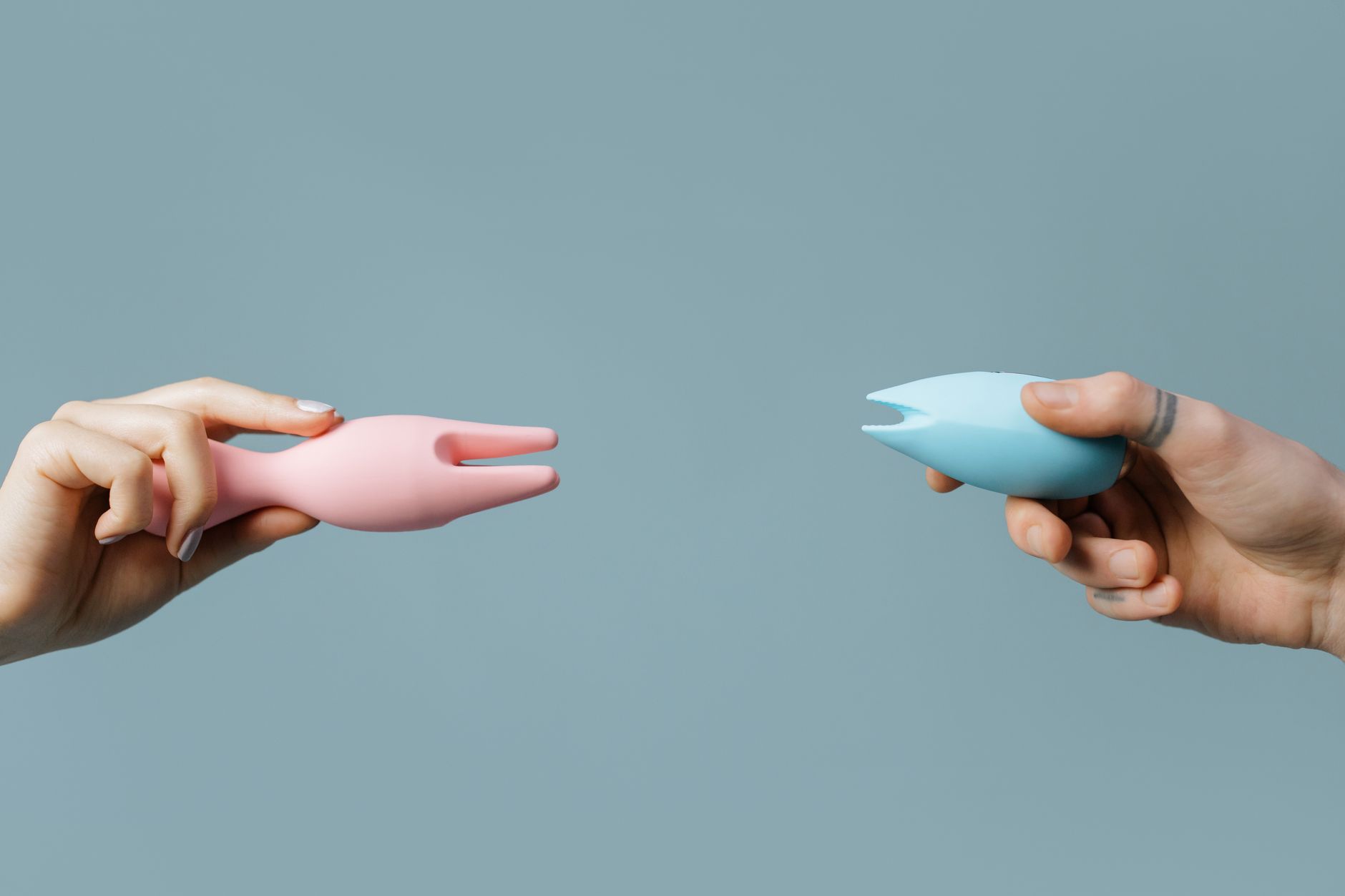
Photo by cottonbro studio on Pexels
When pressure differences signal something deeper
Sometimes a pressure mismatch is just anatomy. Sometimes it's pointing to something else. If your partner suddenly needs significantly more or less pressure than they used to, or if pressure needs are tied to anxiety or pain, that's worth exploring.
Lowered pressure tolerance might indicate pelvic floor tension, which often shows up during stress or after trauma. Increased pressure need can signal numbness from repeated use, or sometimes depression or anxiety dampening sensation. These aren't character flaws. They're signals worth paying attention to.
If you're noticing a real shift, bringing it up with care matters. "I've noticed your pleasure seems different lately. Is everything okay?" opens a door. Sometimes the answer is, "Yeah, work has been stressful and I'm holding tension." Sometimes it's, "I'm on new medication." Sometimes it's deeper. But you won't know unless you ask.
The pressure-independence permission slip
Here's something that helps: naming that your partner's pressure needs are legitimate and separate from your own. If you're the one who wants gentler pressure, you're not "being difficult." If you're the one who needs firmer pressure, you're not "broken." You're just different bodies with different wiring. A lemon clitoral vibrator gives you the tool to honor both at the same time.
Start with the conversation. Then experiment with settings and seal strength. Trade control. Name what feels good. The pressure mismatch stops being an awkward compromise and becomes information you're using together.
FAQ: Pressure, preference, and partnered pleasure
Q: Is it normal for one partner to need way more pressure than the other?
Yes. Clitoral nerve density and glans sensitivity vary wildly. Some people have highly sensitive exposed glans; others have deeper clitorises requiring more pressure. Add in medication, hormone fluctuations, and stress, and you get real differences. This isn't uncommon; most couples just don't talk about it.
Q: Should I feel bad if I need more intense pressure than my partner?
Not at all. Pressure need isn't about how much pleasure you deserve or how responsive you are. It's purely physiological. A lemon vibrator lets you both get what you need without switching toys or making anyone uncomfortable.
Q: Can heavy pressure with a lemon vibrator cause damage?
The design of lemon clitoral vibrators reduces risk because suction distributes pressure over a wider area than a tiny bullet vibrator. Still, sustained heavy pressure can cause temporary numbness or sensitivity shifts. If you're using a full seal on high settings repeatedly, take breaks. If numbness develops, read more about how to use a lemon vibrator when sensation feels numb after frequent use.
Q: What if my partner says my preferred pressure feels painful for them?
Listen. Don't defend. If they're experiencing pain, the toy is stimulating at a level their body can't tolerate right now. That might be pelvic floor tension, nerve sensitivity, or just anatomy. Suggest they explore solo with lower settings first. Pain during partnered sex is worth discussing with a pelvic floor physical therapist if it's consistent.
Q: Can I use a lemon vibrator during penetrative sex if we have different pressure needs?
Absolutely. External stimulation during sex lets each partner control their own pleasure independently. One person can have deeper, more consistent pressure while the other uses the lemon vibrator on their preferred setting. You're not dependent on each other's arousal rhythm.
Q: Does arousal level actually change how much pressure someone needs?
Yes. Early arousal often wants light, playful stimulation. Deeper arousal often craves more intensity. If one partner is building slower, they might still want gentle pressure while the other is ready for setting 7. This is normal and expected. Trade who controls the toy, or use it for different amounts of time, depending on where each of you is.
The bottom line
Pressure preferences aren't incompatibilities. They're just data about how your bodies work. A lemon vibrator, with its multi-level intensity and suction design, gives you the flexibility to honor both preferences without someone sacrificing. Start by talking honestly about what you each need. Then use the settings and control techniques to get there together.